The $20 Bag of Cocoa My Sister Called a Mistake
One winter of second coffees, one chipped blue mug, and the mushroom chocolate that outlasted both.

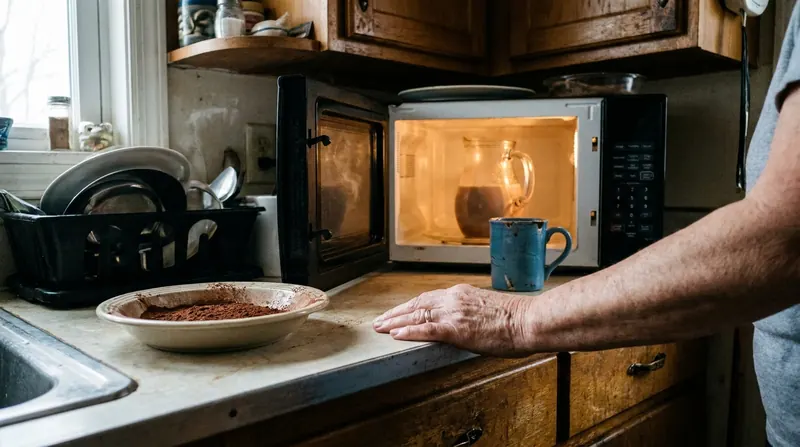
The pitcher turns in the microwave
The pitcher of milk turns behind the microwave door, and a pale thread of steam catches the little light. I have the blue cup waiting beside it, the one with the chipped rim I keep meaning to retire.
The cocoa smell arrives before I have a drink.
For a second I am back in my grandmother's kitchen, watching her scrape a spoon against the inside of a saucepan.
That is the opening.
No great revelation. Just warm milk, an old cup, and a smell that gets to the kitchen before my better judgment has put on its shoes.
I know how easily that kind of opening can sell me something.
I have bought enough food to distrust a childhood scene when it starts doing the work of a label.
So I put the pitcher down. I leave the grandmother where she belongs, in the story, and pull the seller's details next to the cup.
I am Della Brennan, writing from the Cocoa desk at The Cocoa Note.
This is a buyer's letter about Mother Mycelium Lion's Mane Drinking Chocolate and the second coffee I would otherwise make without thinking.
I am working from a product brief and published pages, rather than reporting a personal tasting.
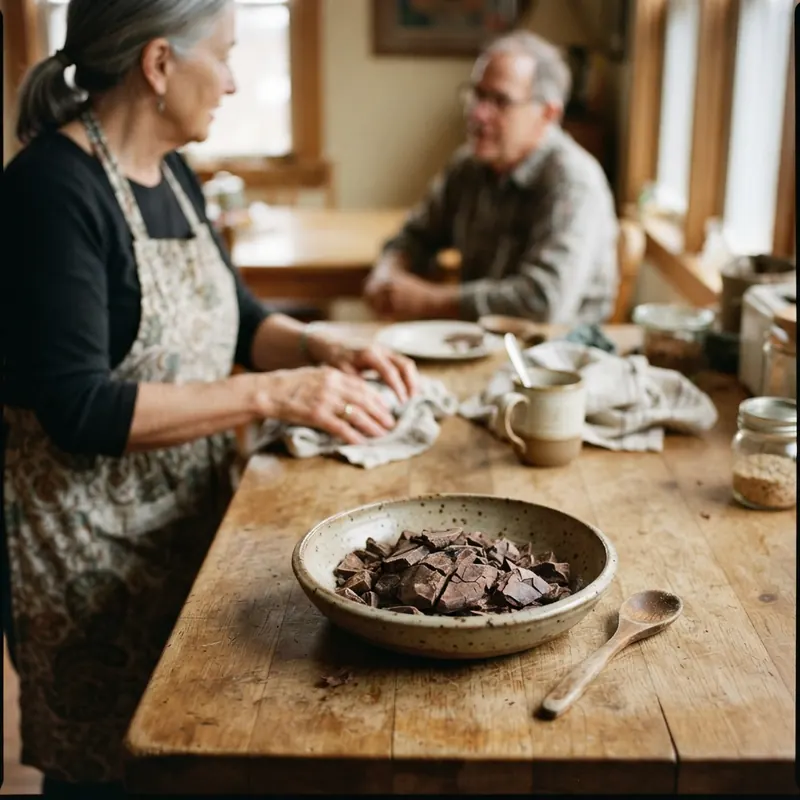
The kitchen is a composed scene, and I want that understood before the warm milk starts sounding like an endorsement.
The price in the brief is $20.00.
That is the number attached to the page I opened November 9, 2026, and it belongs beside the product name, rather than beneath a long walk through my grandmother's kitchen.
Twenty dollars matters.
I can enjoy the thought of cocoa and still ask what I am buying.
I can be interested in a mushroom ingredient and still refuse to let the ingredient write the ending of my morning.
The first coffee is not on trial here.
I am looking at the second drink, the one that often gets chosen by the location of the pot.
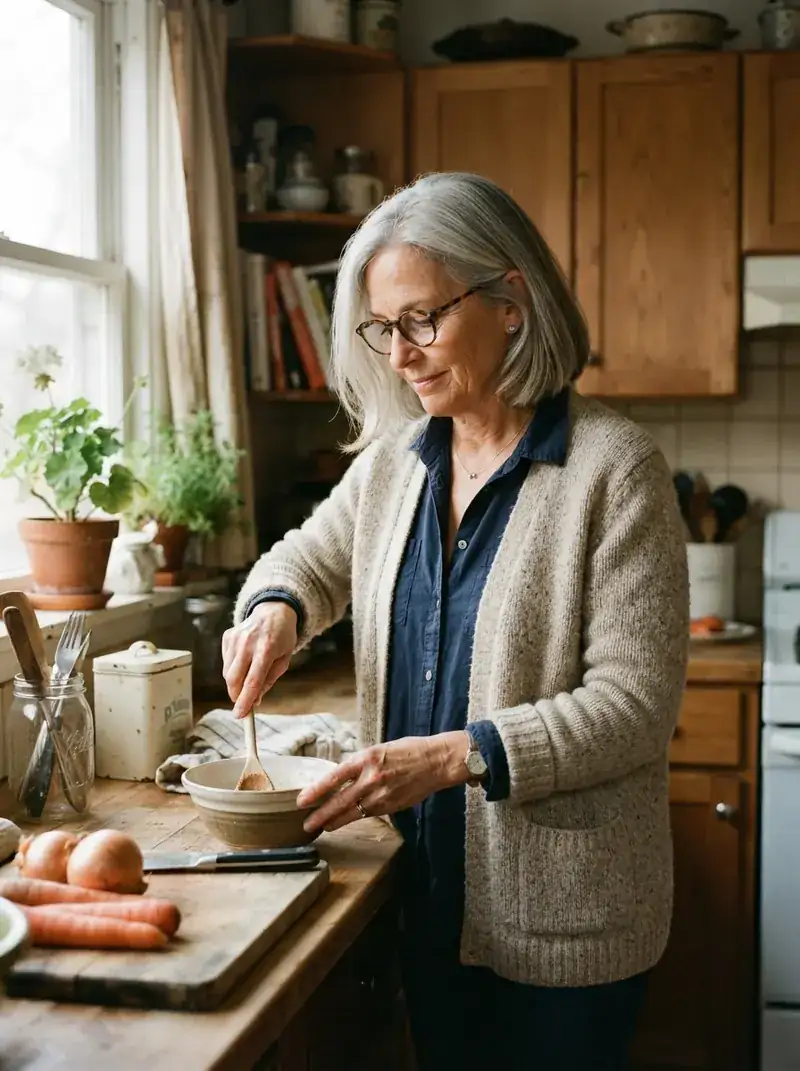
The cup I would make without a letter
I know the small interval between finishing one drink and making another.
The first cup is empty, the counter is still warm, and there is no obvious reason to change what my hand is doing.
I do not need a dramatic afternoon to recognize that interval. It can happen while I am putting away a plate or waiting for the dog to finish inspecting the yard.
The refill is nearby. Nearby does a surprising amount of deciding.

I can call the second coffee a preference, but sometimes it is only the nearest warm thing.
The difference matters when I am about to spend money on a replacement.
If I truly want another coffee, a cocoa package has a harder job.
If I want a warm break and the pot happens to be there, the comparison becomes more useful.
I start with that distinction because I do not want to buy a whole identity.
I want to know whether a different drink belongs in one ordinary space in the day.
The word focus can make that space sound more ambitious than it is.
I might simply want to read my newspaper without carrying the same cooling mug from room to room.
I will not call a comfortable mug evidence of sharper thinking.
I will call it a comfortable mug, if that is what it turns out to be.
There is a whole purchase inside that smaller sentence.
Flavor, preparation, ingredients, price, and the willingness to wash a whisk can settle it without an extravagant promise.
I count those things first. The mushroom name comes with me, but it does not get to cut the line.
What I put on the buyer's card
I can enjoy the scene and still read the label.
My buyer's card
Product, price, portion, preparation, and the questions that remain. A blank is a reason to ask, rather than permission to guess.
My card has room for the product name, the price, the ingredient amount, and the questions I still need answered.
I keep the questions in the same handwriting as the facts.
Otherwise the facts look permanent and the questions look optional. That is a bad arrangement for a food I have not tasted.
The brief identifies cacao and 1,000 milligrams of lion's mane per serving. It identifies the mushroom material as 100 percent fruiting body.
That is one gram.
It also describes small batches and a Colorado business. Those are details about the seller and the making, rather than a finding about what happens after I drink it.
I write the $20.00 price without turning it into a daily bargain.
A package price is certain in the brief, while a daily cost needs a reliable serving count and my actual portion.
I leave a space for the current ingredient list.
Cacao and lion's mane are useful starting facts, but a short description is not the entire back panel.
I leave another space for the nutrition panel.
Milk or another base would add its own ingredients and numbers, so the finished cup would need its own reading.
I do not fill either space with something that sounds reasonable. Reasonable guesses become very convincing once they sit beside a real price.
I can ask the seller before paying. I can also close the page if the answers are more work than I want from a drink.

That is the card I would take to the counter. It is plain enough to survive the cocoa smell.
The chart is about coffee
The FDA gives a typical range of 113 to 247 milligrams of caffeine for 12 fluid ounces of regular brewed coffee.
I use that published range to describe the coffee comparison, rather than assigning either endpoint to my own pot.
One size, a range.
The chart below is about those two endpoints.
It does not measure the cocoa, describe my kitchen, or tell me how much caffeine is in the drink I am holding.
I find the distinction useful because a mug looks more definite than it is.
A familiar handle can make an unknown amount feel like a number I have already checked.
That feeling follows me into a refill.
I can be quite careful about which coffee I buy and still be casual about how much ends up in the cup.
I am not going to turn a published range into a warning about one person's breakfast.
I am going to let it interrupt the phrase just another cup.
The interruption is enough. It makes me ask about volume before I ask about how a drink is supposed to make me feel.
I would use the same discipline with a large travel mug. A name like morning cup says very little about its actual capacity.
The chart earns its place by making that uncertainty visible. It is a comparison aid, and I want it to stay one.
If I need a precise caffeine answer for a particular coffee, I need information about that coffee.
Looking longer at two bars will not turn the bars into a test of my kitchen.
Five reasons I question the second cup
I promised a buyer's letter, so I want the five reasons close together before I walk around the chocolate.
I do not want the purchase buried under an argument the package cannot answer.

First, I rarely measure the refill with the care I imagine I do.
Second, the earlier caffeine does not stop counting because the first cup is empty.
Third, the later slump has become an invitation to improvise. Fourth, the shopping aisle can make a very quick gesture feel like a complete decision.
Fifth, the routine that is easiest to repeat usually gets the counter. That last one can defeat a much more impressive ingredient story.
Five small buying problems. None requires me to announce that coffee is bad. None establishes that a mushroom chocolate will improve my clarity.
They establish why I am willing to compare drinks.
Willing is a useful state for a buyer, because it leaves enough room to say no after reading the panel.
I want to make the comparison while I am calm enough to notice the price.
Shopping at the exact hour I want rescuing would give every attractive headline an unfair advantage.
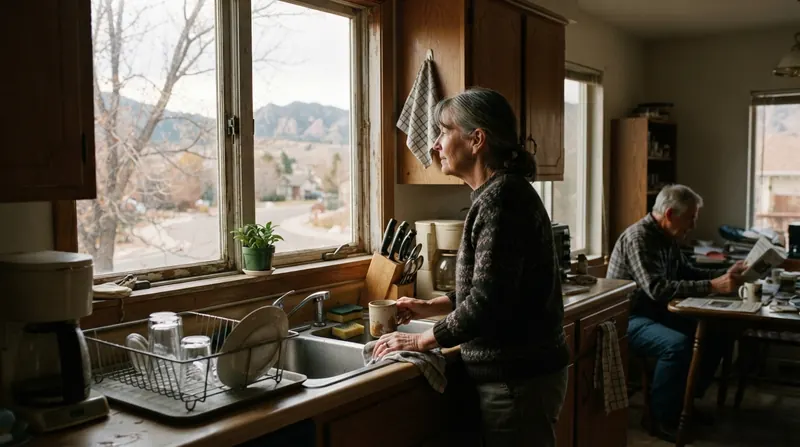
So I bring the decision back to the morning counter.
There is a pot, a pitcher, a spoon, and room for one other package if it earns that room.
The five reasons tell me why I might move my hand. The product details still have to tell me whether this is where I want it to go.
1. I measure the story better than the pour
I can describe my coffee in affectionate detail.
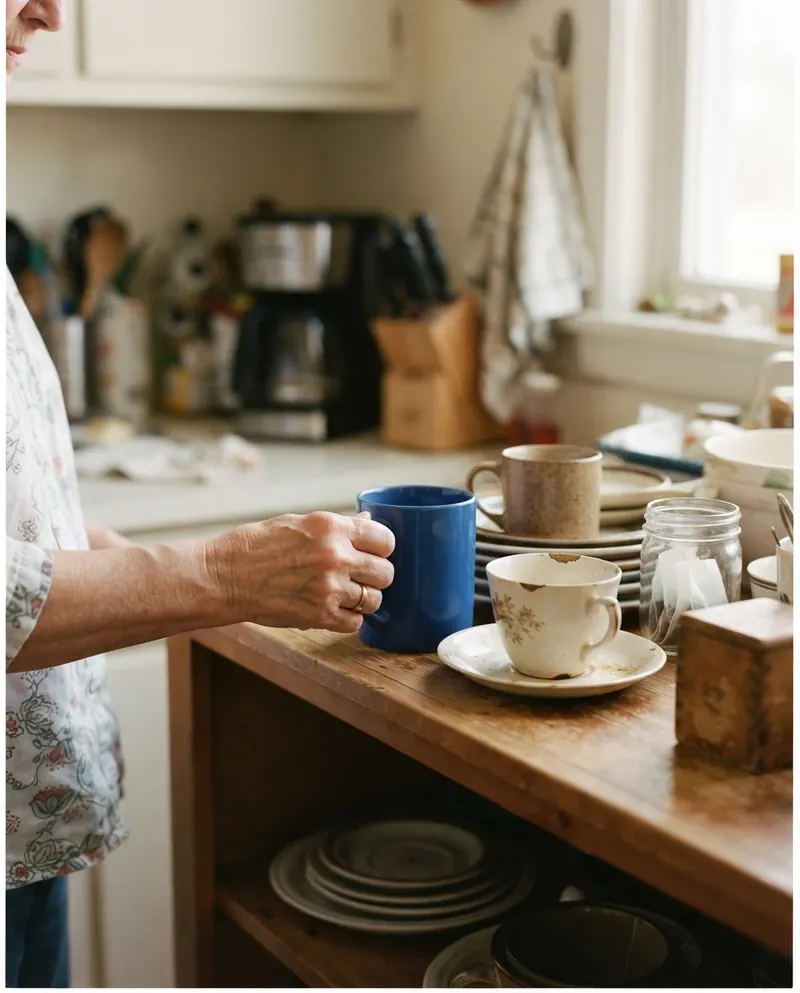
I know which bag I prefer, which mug keeps it warm, and where I stand while the machine finishes.
Ask me the volume of an ordinary refill and the answer gets softer. I tend to stop pouring when it looks like enough.
Looks are convenient measures. They are also difficult to compare across mugs, especially when one has a thick bottom and another has a generous curve.
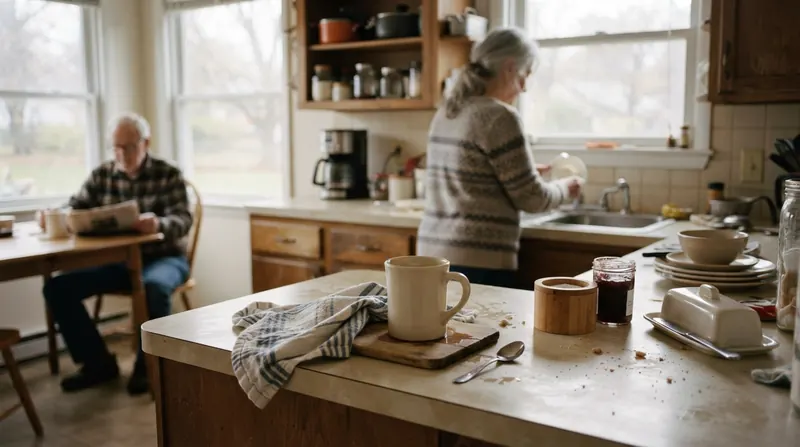
I would start with water and a measuring cup if I wanted to understand the vessel.
That little kitchen exercise does not assay caffeine, but it does answer how much liquid the mug holds.
Then I can stop calling every handle the same serving. That is progress I can make before buying anything.
Measure the vessel first.
The chocolate would ask for a portion too. A powder does not become precise because the package has a useful ingredient number on its front.
The 1,000 milligrams refers to the seller's serving.
If I make an undefined heap because the cup looks large, I have loosened the number I was so pleased to find.
I would follow the current package directions and use the portion they specify.
If the instructions are unclear, I would ask rather than invent a generous spoonful.
That is my first reason for questioning the second cup.
I want a portion I have actually chosen, whether the drink is coffee, cocoa, or something much less interesting.
2. Empty does not mean finished
The first mug can be washed long before its caffeine has ceased to matter.
I do not use the state of the sink as a guide to what is still part of the day's intake.
That seems obvious when I write it down.
It feels less obvious when I am standing beside a pot that has enough left for one more pour.
I need the whole day on the card. Coffee is one entry, and other foods and drinks may belong on it too.
Chocolate belongs there.
Cacao contains naturally occurring caffeine, so this is not a letter about a caffeine-free substitute.
I have no verified caffeine amount for this particular serving, and I am leaving that number unfilled.
The brief includes a possible figure with an instruction to verify it.
A possible figure is a question for the label or seller, rather than something I can round into a fact.
I would ask about the prepared portion, then keep my milk or other base in mind.
I would not place a zero next to cocoa because the coffee bar on the chart looks tall.
That is why I resist a neat side-by-side graphic here. One side has a public coffee range, and the other still needs a product-specific answer.
My second reason is simple accounting. If I change the second drink, I still need to count what is in the replacement.
That leaves a quieter claim for the chocolate. It offers a different preparation and flavor, with its own questions, rather than permission to stop counting.
3. The slump hour deserves a question
I know the hour when I start bargaining with the rest of the day.
A small errand seems large, the kitchen chair looks persuasive, and the coffee pot presents itself as an answer.

I can describe that scene without claiming to know its cause.
A drink does not explain every slow afternoon simply by being the object I reach for.
I might have slept badly. I might be hungry, tired of the task, or overdue for a break that does not come in a mug.
The hour needs context.
I do not want the chocolate sold to me as a way around all of that.
A warm food can fit into a break without becoming the explanation for the break.
If I am choosing between another automatic coffee and making cocoa, the cocoa asks for a few deliberate movements. I can see the preparation instead of calling the refill inevitable.
That is the part I find interesting. The pause belongs to the making, and I do not have to attribute it to lion's mane.
I can also choose water, food, fresh air, or no purchase. Keeping those ordinary options in the picture helps me judge whether I actually want chocolate.
I would be disappointed in a letter that made my slow hour sound like a sales opening only one ingredient could fill.
I prefer a product that can sit beside ordinary alternatives and still look appealing.
My third reason is to stop assigning a cup a job description it never agreed to. I can buy cocoa for a cocoa break.
4. The aisle sells a gesture
I notice how much of a food purchase happens before I have read the details.
A tidy package suggests an orderly routine, and I can start wanting the routine before I know the contents.
That is true online too. A clean photograph can make the next movement seem wonderfully easy.
Open, add, continue.
But I still have to live with the actual gesture.
For drinking chocolate that means choosing a base, warming it, measuring the mix, stirring, and dealing with the utensil afterward.
I consider those steps part of the product. If I dislike them, the mushroom amount will not wash the whisk for me.
The blue cup cannot do it either.
I can make the scene look lovely in my head and still leave the package behind the flour after the second week.
I would rather notice that now. A purchase does not become sensible because I can imagine a more patient version of myself using it.
I ask whether I already warm milk or make cocoa.
If I do, this is a variation on a familiar act, and the comparison is fairly direct.
If I never do, I am buying preparation along with ingredients. That can still be worthwhile, but it is a larger change than switching one package for another.
My fourth reason is about the hand rather than the headline.
I want to buy a movement I will actually make when the counter is crowded and the morning is ordinary.
5. The routine that wins has a place
The coffee pot has a place so established that I no longer notice it.
The cups are above it, the spoons are nearby, and the whole arrangement quietly explains what happens next.
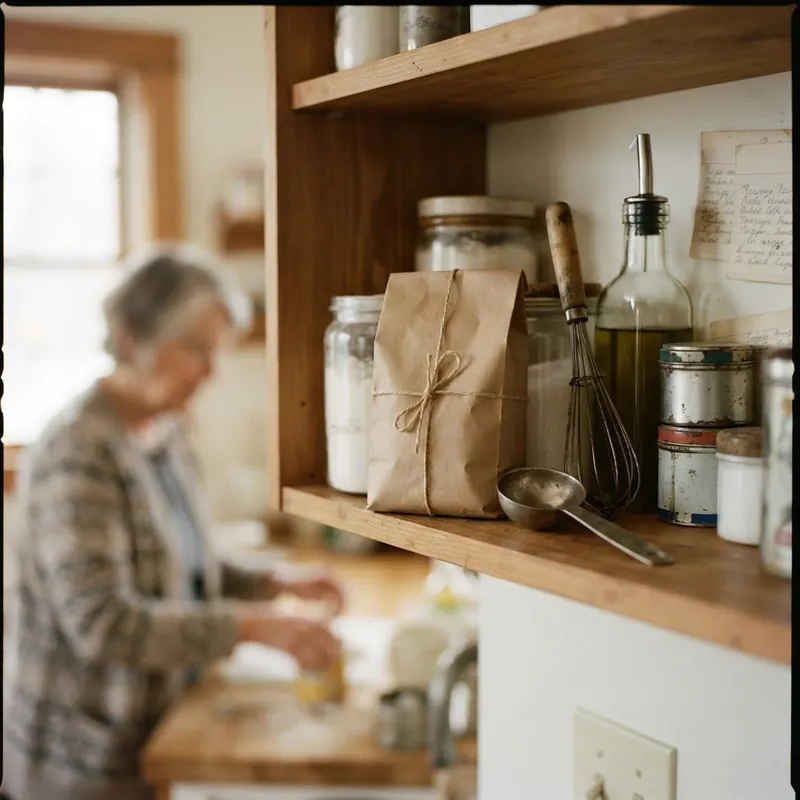
A new drink has to enter that arrangement. It does not get a place just because I read a thoughtful page about it.
The counter votes daily.
I would give a new cocoa a sensible place near the things used to prepare it.
I would follow the storage instructions rather than choosing a sunny spot because the package looks good there.
I would keep the measuring utensil easy to find. I would also leave enough room that making one mug does not mean reorganizing the entire kitchen.
Those are humble requirements. They can matter more to repeat use than a paragraph about the reputation of a mushroom.
I know what happens when I buy an aspiration and store it behind a stack of bowls. The bowls win without reading the sales page.
So I judge the proposed routine at its least flattering hour.
Can I make this drink when I am impatient, the sink is occupied, and I have no interest in a ceremony?
If the answer is yes, the product has a fair chance to become a food I use.
If the answer is no, I should price it as occasional cocoa rather than a daily replacement.
My fifth reason is the one I would underline on the card.
A routine needs a real home in the kitchen before it needs a large story in my head.
What the mushroom number does give me
The brief gives me an amount I can copy: 1,000 milligrams of lion's mane per serving, identified as 100 percent fruiting body.
That is more useful than a mushroom name floating above a cup.
I can ask whether the current label repeats it. I can also distinguish the mushroom amount from the weight of the full chocolate serving.
One gram means one gram.
It does not tell me that the rest of the serving has disappeared. Cacao and any other ingredients still belong to the food I am buying.
I want the ingredient list to tell me their names.
I want the nutrition panel to tell me the food numbers that matter to my own comparison.
I do not read fruiting body as a finish line.
It identifies material, which is helpful, but it does not supply a product trial or a guaranteed experience.
I also do not assume that every preparation bearing the same common name is interchangeable.
The amount, preparation, and finished product all remain relevant to the claim someone is making.
That matters most when a research paper enters the room.
A recognizable ingredient can make an unrelated cup look closer to a trial than it really is.
For shopping, I can use the number modestly.
It tells me what the seller says is in a specified serving, and it gives me a concrete point to confirm before ordering.
That is worth printing clearly. I do not need to make it carry a conclusion it was never designed to carry.
The paper gets its own chair
Saitsu Y. et al. (2019). Biomedical Research 40(4):125–131
One standard mental-status score favored the study preparation over placebo; other tested measures did not show the same result. This was a different preparation and amount, not a trial of this finished chocolate.
I put the Saitsu paper in a separate place on the desk.
It concerns a measured lion's mane preparation, and I do not want its numbers sliding into the cup simply because the common name matches.
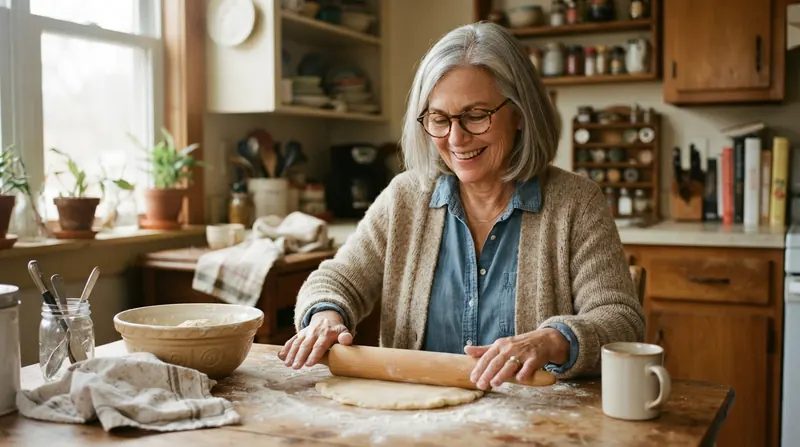
The 2019 trial involved 31 adults over 50 and ran for 12 weeks.
The daily fruiting-body preparation was 3.2 grams, rather than the one gram specified for a serving of this chocolate.
Different amounts, different objects.
One standard mental-status score favored the study preparation over placebo, while the other tested measures did not show that same result.
That is a narrow research description, rather than a forecast for a cocoa buyer.
I have no trial of this finished chocolate in the material I am using. I cannot turn the paper into a claim that the drink will improve focus, sharpness, or clarity.
I do not need to dismiss the paper to keep that boundary. I need to leave its preparation, amount, participants, and duration attached to it.
A study can be worth reading without becoming a reason to order a particular food.
That is an ordinary distinction, though it gets lost easily in a long product page.
I want the distinction made before the offer.
By the time I reach a button, I should already know whether I am buying chocolate or trying to buy the ending of a paper.
The chocolate can stand on the facts in its own panel. The paper can stand on what its authors actually studied.
I keep both on the desk. I do not pour one into the other.
Why I do not multiply the serving
The study stays on the desk. The food stays in the cup.
There is an easy mistake waiting between the study card and the kitchen spoon.
A person can see a larger study amount and start counting several food servings as a way to make up the difference.
I do not make that move. The finished drink includes more than the mushroom ingredient, and changing the serving changes the rest of the food too.
The paper is not a recipe.
I would follow the product's current directions rather than trying to reproduce a research amount in a mug. Arithmetic alone does not make two preparations equivalent.
Nor would I describe a smaller portion as almost the study.
Almost is doing too much work in that sentence, and none of the extra work belongs to evidence about this chocolate.
The useful comparison is limited. The amounts differ, and the finished product differs, so the paper does not settle the purchase.
Once I say that plainly, I can get back to ordinary questions.
Would I like the flavor, would I use the stated portion, and would the price suit an occasional drink?
Those questions are allowed to be enough. A food does not need a research assignment to occupy a shelf in my kitchen.
I would be wary of my own urge to make the mushroom justify the expense.
If I want a cocoa and the ingredients suit me, I can judge it as a cocoa.
If I want a reliably different experience of focus, this letter has not established one.
I would rather keep the $20.00 than purchase a conclusion the product information does not provide.
The cacao still has a panel
When a mushroom name takes the headline, the chocolate can become strangely invisible. I want to bring it back to the front of the purchase.
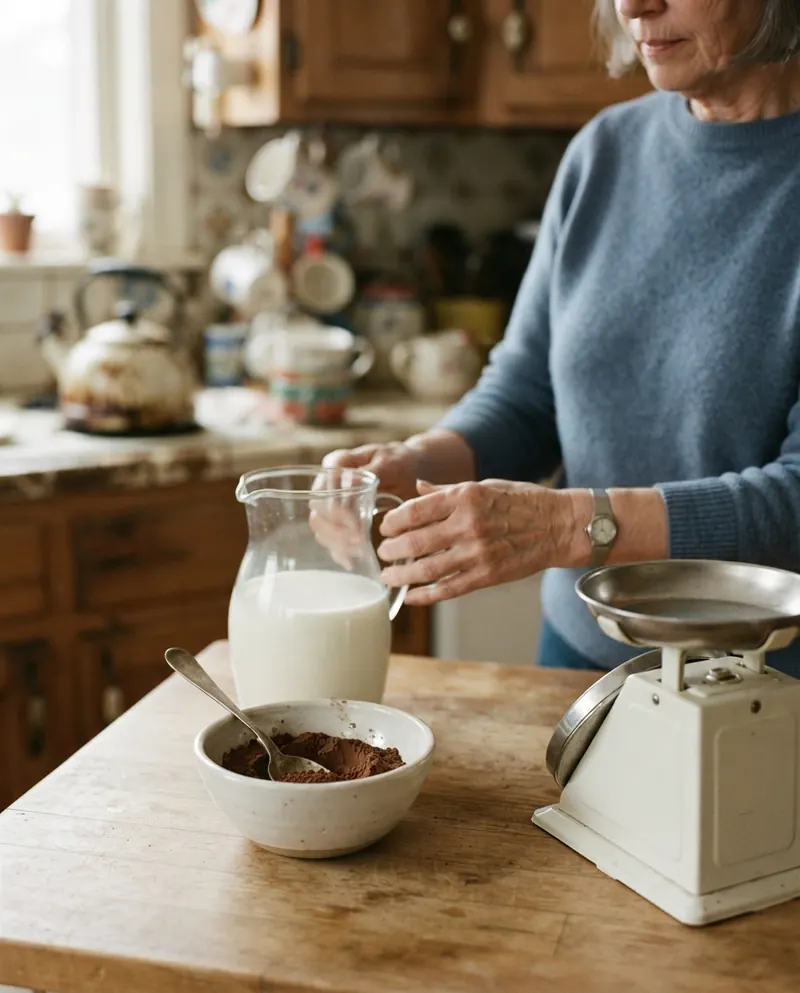
This is a drinking chocolate. The base, sweetness, portion, and finished flavor are all part of what I would consume.
Read the food too.
The brief is not a substitute for the full ingredient list. It gives me cacao and lion's mane, while telling me to verify the complete label.
I therefore do not announce a sugar number, a calorie number, or an allergen conclusion.
I would need the current panel and, where relevant, information from the seller.
The milk in my opening scene belongs to the scene.
It is not a direction for every reader, and it does not establish which base would work best for someone else's kitchen.
If I normally use another base, I would check its ingredients separately.
A familiar carton can contribute more to the final drink than the attractive package beside it suggests.
I also would not assume that water and milk make identical cups.
I would expect a different drinking experience, but I would need an actual tasting to describe either one with confidence.
That is why I am keeping tasting language out of this letter.
I can discuss what I would compare without pretending I have already sipped the answer.
The food panel has a practical job.
It lets me decide whether the entire drink belongs in my day, rather than buying one ingredient and forgetting the rest.
The twenty-dollar question
The listed price in the brief is $20.00. I want to look at that amount before dividing, discounting, or comparing it with a coffee bought somewhere I rarely go.
It is twenty dollars I would actually spend. A comparison can make the number easier to understand, but it should not make it vanish.
Keep the whole price.
I am not calling it pennies a day.
That phrase would require a dependable serving count, a consistent portion, and a frequency I have not promised to maintain.
I am also not setting it beside the most expensive café drink I can imagine.
My real alternative may be coffee already in the pantry, or ordinary cocoa I could buy with the groceries.
That is the fair comparison for me.
The package must earn its place against what I would otherwise use, including the possibility that I would spend nothing today.
If I want the mushroom ingredient and the food suits me, the extra specificity may matter.
If I only want a familiar chocolate break, I should be honest about whether this is the way I prefer to buy it.
I can compare the total at checkout with the total I expected. Delivery charges and any other applicable costs belong in that final number.
I would not add several packages just to make the first one look cheaper.
A larger order is still a larger order, especially before I know whether I enjoy the drink.
The price is an invitation to calculate. It is not an argument that the cocoa will change my morning.
The first package has a smaller job
I would give the first package a job it can actually perform.
It can show me whether I like the food, whether the preparation fits, and whether I want to make another cup.
That is already quite a lot for one purchase. It does not also need to demonstrate a lasting change in how my mind works.
Start with the drink.
I would begin by reading the package that arrives. If the panel differs from the information I used to decide, I would resolve the difference before making assumptions about a serving.
I would check the directions, ingredients, and storage guidance. I would keep the seller's contact details available in case something is missing or unclear.
Then I could make the stated portion if the product suits my needs.
I could notice whether it is pleasant enough to repeat, without grading the whole afternoon as if it were a controlled experiment.
I do not want a kitchen notebook full of invented precision.
A tick beside made the drink tells me something about use, while a score beside clarity would be much harder to interpret.
An ordinary good day has many possible explanations. So does an ordinary difficult one.
The first package is a food purchase, with an ingredient I can name and an amount I can verify.
Keeping its job that small lets me make a much clearer decision about a second order.
I would rather decide I like a cocoa than talk myself into a result because I already paid for it.
The spoon is part of the price
A product photograph rarely gives the measuring spoon much attention. In my kitchen the spoon can determine whether the package gets used at all.

If the right utensil is easy to reach, preparation looks manageable.
If I have to search through a drawer every time, the second coffee has already begun to win.
Small friction counts.
I would read whether the directions use volume, weight, or both.
I would then use the stated measure rather than assuming a spoon from another package is interchangeable.
A scoop is an object with a shape, rather than a universal unit.
I would not borrow its authority from whatever powder it came with last winter.
The same care applies to my choice of cup. A very large mug can invite extra mix simply because a normal portion looks small in it.
I do not have to fill every mug to the brim. I can use a vessel that makes the specified drink look like a complete portion instead of a disappointing start.
That is a buying consideration rather than a health claim. I am trying to make the instructed preparation easy enough to repeat without casual alterations.
The blue cup is useful in the story because it is familiar.
In an actual kitchen, a chipped rim is also a reason to inspect the vessel and choose another if it is unsuitable.
Sentiment does not have to choose the equipment.
I can keep the grandmother's cocoa smell and still use a sound cup, a clear measure, and the directions in front of me.
The milk does not need a speech
I like the opening scene because warm milk has a recognizable place in a kitchen.
I do not need to turn it into an instruction about the ideal way everyone should drink chocolate.
The base is a choice that needs its own label reading. Taste, dietary needs, and the product directions all belong in that choice.
The carton counts too.
If I use a base I already buy, I know the practical routine around it.
I know where it lives, how I warm it, and whether making one portion means opening something I otherwise would not use.
If I buy a special base only for this cocoa, that adds another purchase and another item to finish.
I would include that in the cost and convenience comparison.
The pitcher in the scene is only a pitcher.
I would use equipment suitable for the heating method and follow the instructions that apply in my own kitchen.
I would not copy a theatrical cloud of steam because it looked comforting in a photograph.
The photograph has a visual job, while preparation has a practical one.
I also do not assume that more richness makes the product a better buy.
The right cup for me could be a simpler one, especially if I want the routine to survive an ordinary workday.
These are the questions that make a drink feel real before it arrives.
They are less exciting than a broad promise about clarity, and much more likely to predict whether I will bother making it.
I want the base chosen deliberately. It is part of the finished food, not scenery I can forget after the first paragraph.
I would ask about the missing details
There is a difference between not seeing an answer and knowing there is no answer. I am careful about that difference when I read a brief.
The information available to me is enough to identify a product and a price.
It is not a complete substitute for every current panel, policy, and preparation detail.
A blank stays open.
If I need a caffeine amount, I would ask for information tied to this product and its serving.
I would not borrow a figure from another cocoa because both are brown drinks.
If I need an allergen answer, I would ask the relevant question directly. A short ingredient summary does not tell me everything about handling or manufacturing.
If I need an exact return deadline, I would ask about the current policy and this particular food.
A general reassurance about returns is not the same thing as a calendar date.
I can ask several practical questions in one message.
I do not have to make the seller guess which part of a warm product description failed to answer my actual concern.
I would keep the questions plain.
What is the current serving instruction, where can I read the full panel, and what terms apply if this package is not right for me?
A useful answer would make the purchase easier to evaluate. An unclear answer would be information too.
I am willing to do some reading for a food I want.
I am also allowed to decide that an unresolved detail matters more than my curiosity about the cocoa.
Colorado is a location
The brief places Mother Mycelium in Broomfield, Colorado.
That gives me a business location to put beside the product name, which is useful when a page otherwise feels like it could belong anywhere.
It does not tell me what the drink tastes like. It does not supply an inspection I performed or a visit I made.
A place, not a verdict.
I have not walked into a workshop or watched a batch being made.
I am not going to write the sound of a whisk into someone else's production room as if I had stood there.
The small-batch description belongs to the seller. I can pass it along as part of the product's identity while keeping the source visible.
I would still read the same ingredient and nutrition information I would read for a larger business. A smaller operation does not make those questions impolite.
Likewise, a telephone number is useful because I can use it.
It does not become proof of every other sentence on a page merely by appearing beneath the logo.
I like buying from businesses I can identify. I like knowing how to ask a question without hunting through several unrelated pages.
Those preferences can help me compare sellers. They should not be quietly converted into a promise about the drink in my cup.
The location earns a line on the buyer's card.
The product earns the rest of the card through its own information, rather than through what I imagine a Colorado chocolate kitchen must be like.
The return sentence needs a second look
The brief records a seller statement about a straightforward refund and return process. It does not give me a return window in days.
I keep those facts together. Otherwise a reassuring phrase can grow into a policy I invented because it sounded familiar.
Ask for the terms.
I would want to know what applies to food, what applies after opening, and what I would need to do if a package arrives with a problem.
Those are questions rather than conclusions in this letter.
I would also check who pays any return costs and how to contact the seller.
I do not assume the answer from a general promise about an easy process.
That makes the first package a more serious purchase than a free tasting.
Twenty dollars is a real price, and the brief does not give me grounds to call it risk-free.
I do not need a large guarantee badge to evaluate a cocoa.
I need enough clear information to decide whether I am comfortable placing an order under the actual terms.
If I am comfortable, I can continue. If I am not, the kindest answer to my own hesitation may be to wait for clarification.
The warm scene does not expire while I ask. A grandmother's saucepan is not a reason to skip past a policy I care about.
I would rather have the return question answered before ordering.
It is harder to read calmly when the package is already open and I am trying to decide what a vague reassurance was supposed to mean.
My second drink can simply be different
I notice how quickly comparison writing turns a change into an improvement.
A different mug becomes a better morning almost before anyone has described the actual food.
I want to slow that sentence down. A cocoa can be a different second drink without being a better answer to every reason I make coffee.
Different is enough to consider.
It has a different flavor category and a different preparation.
It asks me to warm a base and mix a portion rather than refill from a pot.
It also has its own cost and caffeine question. I do not get to keep the appealing differences and erase the inconvenient ones.
That is the purchase I can review honestly.
A change in what I make is visible, while a change in sharpness would require evidence I do not have for this product.
I can be drawn to the cocoa smell for ordinary reasons.
I can enjoy the idea of a warm break without putting a scientific explanation behind the pleasure.
I can also decide that coffee is still what I want. A buyer's letter should leave that answer available all the way to the last line.
If a product only looks sensible after every alternative has been made to sound foolish, I have learned something about the argument.
I have not necessarily learned much about the product.
This chocolate has enough concrete details to examine without that performance.
I can put it beside the second cup and make a choice based on what each actually asks from me.
The kitchen has other candidates
A choice can end with no purchase.
I would compare this product with ordinary cocoa as well as coffee.
Both comparisons tell me something useful, and neither needs to be tucked away because it might make the purchase less automatic.
Against coffee, I look at the preparation, the ingredients, and the unanswered caffeine amount.
Against ordinary cocoa, I look at the mushroom specification and whether I want to pay for this particular blend.
Two fair comparisons.
I would also include the drink I already have in the cupboard.
There is no reason to ignore a perfectly acceptable food simply because a new page has supplied more paragraphs about another one.
A plain warm drink could satisfy the wish for a break.
So could taking the first cup to a chair and actually sitting down to finish it.
Those possibilities do not insult the chocolate. They make the job of the chocolate more specific.
If I still want it after considering them, I understand my interest better.
I am choosing a product rather than letting the existence of an offer create the need.
I would make the comparison with the full price visible.
I would also be honest about how often I buy a second café drink, rather than borrowing someone else's expensive routine to justify mine.
My kitchen is allowed to be less photogenic than the sales picture. It is the place where the package would have to work.
The candidate that belongs there is the one I will actually use, under terms I understand, for reasons I can explain without borrowing a promise from a mushroom headline.
The routine gets a plain rehearsal
Before buying a new kitchen habit, I like to rehearse the motions without the purchase.
I can take out a cup, a pitcher, and a spoon and see whether the proposed preparation fits the space I actually have.
That sounds almost too simple to mention.
It is still better information than imagining a silent kitchen with an empty sink and a person who has nowhere to be.
Use the real counter.
If warming a base is already familiar, I know the likely inconvenience.
If it is unusual for me, I can notice that before a package arrives and turns the unfamiliar step into an obligation.
I would not use this rehearsal to guess the product's flavor. I would use it to assess the work that happens around the drink.
Can I reach the utensils, find the current directions, and make one portion without turning breakfast into a project?
That is a closed enough question to answer without a claim about anyone's mind.
I would then put everything away. Cleanup is part of the rehearsal because cleanup is part of the eventual routine.
The second coffee has very little preparation friction once the pot is ready.
Any honest comparison should acknowledge that advantage rather than pretending the extra steps of cocoa are automatically a virtue.
I might like those steps. I might also discover that I only want them on a quiet weekend.
Either answer helps me buy the right amount of expectation. A weekend cocoa can be a good purchase without wearing the schedule of a daily ritual.
I would keep the first coffee ordinary
I have no need to give the first cup a guilty expression.
For many people it is a familiar food preference with a place in the day, and this letter does not require a dramatic separation.
EFSA's safety opinion discusses up to 200 milligrams in a single dose and 400 milligrams across a day for the relevant healthy adult population.
Those are population safety conclusions with qualifications, rather than a personal drinking target.
No target to fill.
I do not count upward toward a published amount as though the day owes me the remainder.
I also do not assume that a general discussion tells me exactly how any individual will feel.
If personal health circumstances affect the choice, a seller's paragraph is not the right place to settle them.
I would take the relevant question to a qualified professional who knows those circumstances.
For the purchase in front of me, I can keep the task smaller.
I am deciding whether the next warm drink is chosen deliberately or simply inherited from the location of the pot.
That question leaves coffee available. It also leaves cocoa available, with its own ingredient reading and unanswered caffeine amount.
I do not have to describe the first cup as a mistake to create room for another option.
A kitchen can hold preferences that do not need to argue with each other.
The useful change is attention to the next choice. It is a change I can make before money moves.
The headline cannot taste for me
I can read the word chocolate and supply a flavor in a blink.
The imagined cup has the richness, sweetness, and temperature I prefer because I am the one imagining it.
The package has not agreed to that version. Until I taste the actual product, I should leave some space between the word and my expectation.
My mouth gets a vote.
I cannot describe this blend as smooth, earthy, bitter, or pleasantly spiced on the basis of the opening scene.
Those would sound like tasting notes, and I have not established a tasting.
Even a seller's flavor description would remain the seller's description.
It could help me decide whether I am interested, but it would not tell me precisely what I will like.
I would compare the current description with the kinds of cocoa I usually enjoy.
If I only like a very sweet drink, I should not assume every drinking chocolate is made for that preference.
If I dislike mushroom-associated flavors in general, I would ask sensible questions rather than reading my reluctance as a character flaw.
Curiosity is allowed to have limits.
The first cup can answer taste questions the letter cannot. It still cannot answer every larger question someone might attach to the ingredient name.
I would let a disappointing flavor be disappointing. I would not force myself to like it because a scientific reference appeared farther down the page.
A food I do not want to drink is a poor routine candidate, however orderly its ingredient card looks.
The shelf after the photograph
I think about where a food will live once its opening scene is over.
The package will eventually sit beside other packages, and most days I will see only part of it.
That is where the current storage guidance matters.
I would use the instructions on the product rather than judging a beautiful countertop arrangement as permission to leave it anywhere.
The photograph goes home.
I would keep the label accessible.
Transferring food into an attractive container can make the kitchen look tidy while separating the contents from the directions and identifying details I may need later.
If I use another container, I would preserve the relevant information.
The point is to make the food easier to use without making it harder to identify.
I would also keep the preparation measure clear. A spoon stored in the wrong package can turn an apparently careful routine into a guess.
These are ordinary housekeeping choices.
I include them because routine language can make a purchase feel finished at checkout, when much of the real decision happens afterward.
The seller cannot arrange my cupboard. The letter cannot tell whether I will remember where I put the whisk.
I can give the product a fair practical chance if I choose to buy it.
I can do that without promising myself that every morning will suddenly become quieter and more organized.
The shelf is a useful place to test the purchase in my imagination.
If I cannot picture reaching for it there, I should question how much of my interest belongs only to the photograph.
What I would write down after using it
If I chose to order, my notes would stay close to the food.
I would record whether the preparation was manageable and whether I wanted another serving made the same way.
I might note whether the package directions were clear. I might also note whether I needed to contact the seller about something the label left uncertain.
Food notes, plain language.
I would avoid turning every ordinary task that afternoon into a test of the product.
Finishing a crossword or enjoying a book would not identify which ingredient, if any, explained the experience.
Likewise, a scattered day would not isolate an effect of the drink. Many things happen between warming milk and putting the cup in the sink.
That is why a personal impression should not become a confident product claim.
I can say I liked making a cocoa without turning that preference into a general finding.
I can also say the preparation was too much effort for my day.
That is useful consumer information, and it does not require any theory about the mushroom.
If I decide to reorder, I would want those ordinary reasons in front of me.
They tell me whether the package earned its place rather than whether I became attached to defending the original purchase.
A short note can protect me from my own sales pitch.
Once I own a product, I am capable of writing a surprisingly persuasive story about why owning it must have been wise.
I would prefer a second order supported by use. A pleasant scene is enough to begin reading, and use should decide what comes next.
There is no required second order
I do not want a first purchase to carry the emotional weight of a commitment.
A package can be tried, assessed, and left as a one-time purchase if that is what the experience supports.
I would check what the checkout actually asks me to agree to.
I would not assume an ongoing arrangement or a one-time arrangement from the tone of the letter.
Read what is selected.
The price recorded here is a package price.
I am not promising a subscription saving, a site discount, or any other reduction that has not been established for this order.
If a promotion appears, I would read its terms in the seller's checkout.
I would not let an attractive percentage make a larger quantity feel smaller than it is.
I am especially cautious about purchasing enough to prove I am serious about a routine.
Seriousness is not measured by how many unopened packages fit behind the cereal.
One purchase can supply information. More purchases made before that information arrives mostly supply inventory.
If the product becomes a food I enjoy, there will be a practical reason to consider another order.
If it does not, I have learned something about my taste and habits.
Neither outcome needs a speech about willpower. A buyer can change an opinion when the food becomes real.
The letter should make that freedom easier to see.
I want curiosity at the button, followed by an ordinary decision about a product, with no invented obligation waiting in the cupboard.
A quiet morning is not included
The opening has a pitcher, a familiar cup, and enough silence for cocoa to smell like a childhood kitchen.
A real morning may have a ringing phone, a dog at the door, and someone asking where the keys are.

The product arrives into that morning. It does not arrive with the silence in the photograph.
Buy the actual contents.
I remind myself of this because atmosphere is easy to include mentally and impossible to check on a receipt.
I can start valuing the whole scene while paying for only one object in it.
I would ask whether I want the drink under less flattering conditions.
If I still want it while answering a message and stepping around a grocery bag, the interest is more likely to belong to the food.
If I only want it in an imagined room, I may be shopping for a break.
There are ways to take a break that do not require a new package.
That does not make the cocoa less appealing. It makes my expectation easier to carry.
A hot drink can be part of a quiet moment when a quiet moment is available.
I do not need to pretend it can supply the missing hour, the clear counter, or a different household schedule.
I want the photograph to help me recognize the category. I want the label and price to help me decide whether to buy it.
Those jobs can coexist without the scene doing quiet work at checkout. The milk can steam, and the terms can remain plain.
The age of a reader is not a sales reason
The paper concerns adults over 50, and the reference letter speaks to an older kitchen.
I do not turn either detail into an assumption that a reader must buy something to keep up.
Wanting focus or clarity is understandable. It does not give this product a proven role in delivering either.
No verdict in a mug.
I would not interpret an ordinary pause over a newspaper as a reason to order mushroom chocolate.
Nor would I use familiar age-related worries as scenery around a price.
The relevant buying questions remain the same. What is the food, what does it contain, how is it prepared, and what will the order cost?
If someone has a personal concern about a change they are experiencing, this letter cannot evaluate it.
A product page should not absorb that concern and return a shopping button as the answer.
For the reader simply considering a new cocoa, I can be much more helpful.
I can identify the ingredient amount, name the price, and keep the limitations of the research visible.
That is an appropriate job for a buyer's voice.
I do not need the authority of a clinician to compare packages, and I should not borrow it.
The ordinary cup has enough to recommend it if it suits the person making it.
Warmth, flavor, and a preparation someone enjoys are legitimate reasons to consider a food.
I leave the reader's age out of the pressure. It can belong in the study description without becoming a demand in the sales letter.
The contact details belong near the decision
I copy the telephone number as (720) 514-9582. The email in the brief is [email protected], and the business location is Broomfield, Colorado.
Those details give my unanswered questions somewhere to go. I do not have to pretend the letter contains every fact required by every buyer.
Ask the actual seller.
I would use those channels for product questions and order terms.
I would keep any personal health question with someone qualified to answer it in the context of my circumstances.
A useful message could be very short.
I am considering the drinking chocolate and would like the current ingredient panel, the serving directions, and any verified caffeine information for that serving.
If returns matter to my decision, I would add a question about the policy that applies to this food.
I would ask before buying rather than guessing from a reassuring sentence.
I have not sent those questions on anyone's behalf.
The contact information is here so the reader can use it when a missing detail affects the purchase.
I also would not promise an answer speed.
A printed telephone number is a way to try to reach a business, rather than a timetable I can guarantee.
The practical value is plain enough.
A product with a name, a price, and usable contact details is easier to question than a nameless offer floating above a button.
I want questioning to stay available. If a cocoa is worth considering, it can remain worth considering while someone asks to see the label.
What the button has to earn
By the time I reach an offer, I want the product to be recognizable without the entire letter behind it.
The offer should say what it opens and keep the $20.00 price in view.
It should not suddenly become more ambitious than the paragraphs above it.
A modest discussion of food should not end with a promise of a different mind.
The button opens a page.
The seller handles the order and the current checkout terms.
This letter does not collect the payment, set the final delivery charge, or replace the information displayed when the purchase is made.
I would reread the selected product before paying.
Similar names on a site can lead to different formats, amounts, or preparations, and I want the drinking chocolate I came to evaluate.
I would check the quantity too. The fact that I have read a long letter does not mean I intended a large order.
If the current price differs from the recorded $20.00, I would use the current checkout amount for the decision in front of me.
A dated reading is a record, rather than a price lock.
If the details no longer match the product described here, I would pause and resolve the difference.
That is ordinary shopping care, not a failure to be persuaded.
The offer earns a click by being clear enough to inspect. It earns an order only when the actual product and terms suit the buyer.
That leaves the decision where it belongs. I can provide a careful reading, and the reader still gets the last word.
The five reasons return to the counter
I bring the five reasons back together because they are easier to use in a kitchen than in a long argument.
The first asks whether I know the size of the pour.
The second asks whether I am counting the rest of the day. That includes the replacement drink, rather than granting cocoa an automatic zero.
Count the whole choice.
The third asks what I am really answering when the later hour feels slow.
A food can accompany a break without becoming the explanation for the hour.
The fourth asks whether I want the actual preparation. I need to like the measuring, warming, stirring, and cleanup enough for the routine I am considering.
The fifth asks where the package will live.
A habit with no practical place in the kitchen is likely to lose to the pot that already has one.
Those five questions can lead me toward this chocolate. They can also lead me to a different cocoa, a smaller coffee, or no purchase.
That range of possible answers is useful. It means the questions are helping me decide rather than quietly arranging a single ending.
The product remains specific through the whole comparison. Mother Mycelium, Lion's Mane Drinking Chocolate, $20.00, and a stated one gram of fruiting-body lion's mane per serving.
I can hold those details without adding a promised improvement in clarity.
The shopping decision is real enough on its own, and it becomes easier to review when I stop asking the mushroom to complete the sentence.
I leave the larger promise off the card
I am buying a drink, with the questions still visible.
There is a temptation at the end of a long letter to reward the reader with a sweeping sentence.
I would rather end with the details that were strong enough to print at the beginning.
The price is $20.00 in the brief and this dated reading. The serving specification is 1,000 milligrams of lion's mane, identified as 100 percent fruiting body.
The promise stays small.
The cacao means I need to consider caffeine rather than call the drink caffeine-free.
The full label remains the place to verify the ingredients and food information I need for my own purchase.
The Saitsu study remains a separate preparation at a different daily amount.
It supplies context for careful reading, rather than a result I can transfer to this finished chocolate.
The seller's return language needs its current terms if those terms matter to me. The contact details give me a practical way to ask.
That is enough information to make further inspection sensible. It is not enough to promise a clearer morning.
I can like the idea of the cocoa without asking for that promise.
I can also decide the unresolved details are a reason to leave the product where it is.
The grandmother in the opening does not get a vote on my card details. The warm cup does not get to sign the terms.
I make the purchase, if I make it, as the person who has read the product information.
That person can be interested and careful at the same time.
The blue cup, after the reading
I come back to the pitcher in the opening scene because it is still the clearest picture of what interested me.
Warm milk, a cocoa smell, and a cup with enough history to make an ordinary counter feel familiar.

The reading has added a price and some boundaries to that picture. It has not taken away the appeal of a warm drink.
Leave room for ordinary pleasure.
I do not need to prove that a cocoa improves my focus before I am allowed to consider enjoying one.
I do need to avoid calling an imagined pleasure a result I have already experienced.
So I leave the actual tasting ahead of the purchase decision, where it belongs.
I leave the larger claims outside the offer, where the available evidence keeps them.
If the current label suits me, the preparation feels manageable, and the total cost is acceptable, I can consider the package on those grounds.
If any of those points fails, I can close the page.
The second coffee will still be a choice I can notice. That small act of noticing is available whether or not I order chocolate.
I like that ending for a buyer's letter.
It gives the reader a useful question rather than an obligation to turn a warm scene into a transaction.
The cup in my story is blue. The decision in the reader's kitchen belongs to the reader.
I leave the product name and the price beside it. Everything needed to ask the next practical question is below.
The policy page adds a useful distinction
The separate return policy has more detail than the short reassurance in the brief.
I would read that policy alongside the product instead of reading the reassuring phrase as the whole agreement.
It distinguishes product categories.
Its section for other products describes returns within 30 days of purchase for unused goods in original packaging and the same condition as received.
Unused is a real condition.
The policy describes different handling for other categories, including mushroom supplements.
I would ask the seller which category covers this drinking chocolate rather than select the most favorable section myself.
That is the question the general reassurance leaves open for this purchase.
I do not want a reader to infer a taste-and-return arrangement from a sentence about an easy process.
The policy also puts return shipping costs with the customer.
That detail could matter to a $20.00 purchase, so I would consider it before deciding that a return makes the initial choice costless.
I would retain proof of purchase and contact the seller for instructions if a return or refund question arises.
I would not mail food to an address copied from somewhere else and assume the process has begun.
The distinction improves the buyer's card.
I now have a policy page to read and a specific category question to ask, rather than a vague concern I cannot put into words.
It does not give me grounds to promise the outcome of an individual request.
The seller's current terms and their application to this product still govern that conversation.
This is why I like a second pass through the details. It can make the picture more useful without making the sales sentence any larger.
A final check without the atmosphere
I would make one last pass through the purchase with the opening scene covered.
If the milk, the grandmother, and the blue cup disappeared, would I still understand what was being offered?
I should be able to answer yes.
The product has a name, a listed price, a stated mushroom amount, a seller, and questions I can take to that seller.
The label should survive the scene.
I would check that I am looking at the drinking chocolate.
I would check the current portion and complete ingredients, then compare the final order total with what I am willing to spend.
I would confirm that I want the actual preparation.
A fondness for cocoa smell is a beginning, while the desire to measure and mix this particular food is closer to a buying reason.
I would keep the research card separate during that last pass.
Its presence should help me read carefully rather than make the product seem entitled to an order.
If the product still interests me, the letter has done enough. I can open the seller's page and make the remaining checks there.
If it does not, I have not failed a routine before starting it.
I have used information to decide against a purchase, which is one of the useful things information can do.
That is the decision I want to leave beside the second cup.
I can choose it with my eyes open, whether my hand goes toward coffee, cocoa, or an empty space on the counter.
The receipt is the last line
I would keep the order confirmation with the product information I used to decide.
That gives me the actual quantity, amount paid, and seller details without asking a long letter to stand in for a receipt.
I would also keep any answer about the return category.
A clear answer is useful precisely because it belongs to the specific product and question I asked.
Keep the practical record.
If the package arrives with different information, I can compare the two directly.
I do not have to reconstruct what I thought a warm scene implied about the food.
That is the final piece of an ordinary purchase.
I have a product to inspect, directions to read, and a way to ask about an order if something needs attention.
The reading can end there.
I can leave the research in its own place and decide whether I want to make a cocoa under the terms actually offered.
I do not need a larger ending than that.
I need a sound cup, a clear portion, and a purchase I can explain to myself after the steam is gone.
The product in plain view
Questions I would ask before ordering
Paid advertorial in a buyer-letter format. Della Brennan is a pen name. The grandmother, microwave, blue cup, and kitchen scenes are composed illustrations, not a personal tasting or a report of product results. Product specifications come from the supplied November 9, 2026 brief and product sheet, checked against public seller material where noted. Photographic prompts depict illustrative scenes, not the seller's facility or identifiable customers.
The supplied product sheet identifies cacao and 1,000 mg lion's mane, 100 percent fruiting body, per serving.
This is not a complete ingredient or allergen panel; verify the current package and ask the seller for any information needed before ordering.
Cacao naturally contains caffeine. No product-specific caffeine amount or result for focus, sharpness, or clarity is established in this letter.
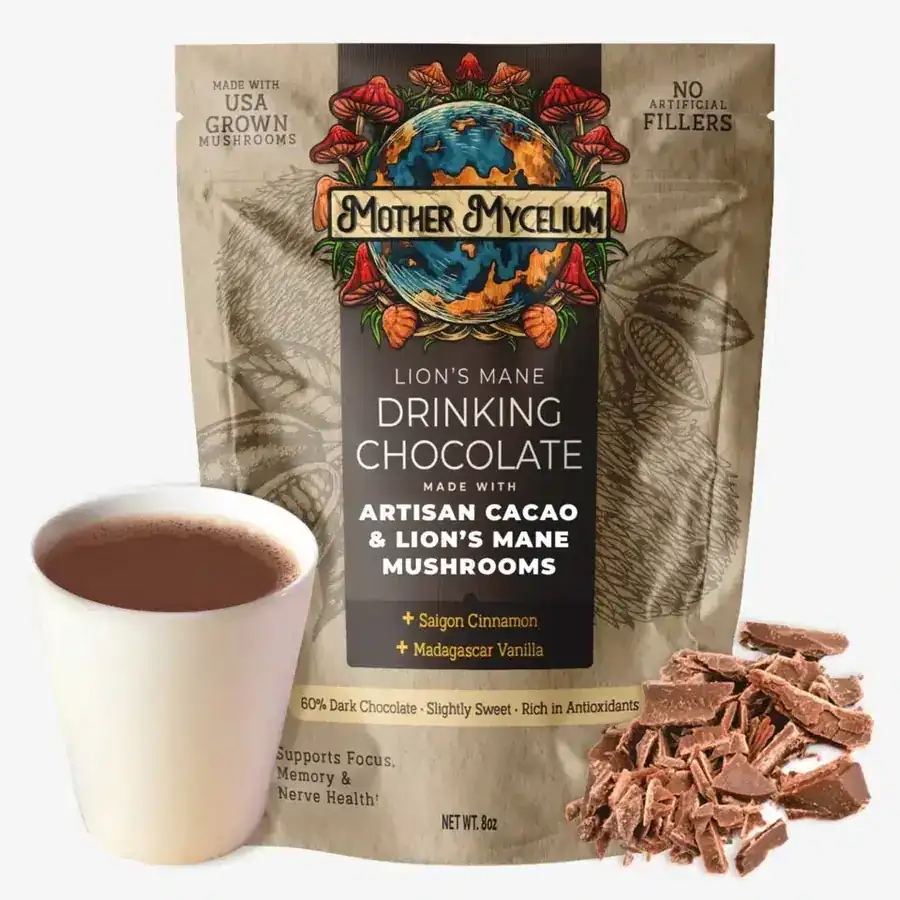
Lion's Mane Drinking Chocolate — the canister on the counter
Mother Mycelium. A drinking chocolate with 1,000 mg of lion's mane per serving — 100% fruiting body. $20.00 on the page I opened November 9, 2026.
Not a jar from the aisle. Not a second coffee. A mug of cocoa you make with a kettle.
What the buyer gets out of this box
- Your evening ritual survives the cutoffA cup of real cocoa after dinner, without stacking another dose of caffeine onto the day
- The mushroom comes without the mushroom taste1,000 mg of lion's mane folded into chocolate — the drink still tastes like the drink
- It replaces the second coffee you didn't love anywayWarm, slow, three minutes at the kettle — the pause stays, the jitters don't ride along
- A small-batch maker answers the phoneA Colorado chocolatier's own line, with a real contact page if a batch ever disappoints
The seller prints 1,000 mg of lion's mane per serving. They do not print a study of this cocoa. We will not invent one.
Keep the first cup if it is doing its job. The second pour is the habit. This canister is the swap on the same kettle.
A mug of chocolate with the same kettle you already own.
Questions I would ask before ordering
What am I buying?
A drinking-chocolate mix from Mother Mycelium, priced at $20.00 in the brief and this dated reading. Check the current package and checkout details.
How much lion's mane is specified?
The seller states 1,000 mg per serving, identified as 100 percent fruiting body. That is the mushroom amount, rather than the weight of the entire drink mix.
Is this a caffeine-free substitute for coffee?
No. Cacao contains naturally occurring caffeine, and I have not verified a caffeine amount for this product's serving.
Does Saitsu 2019 establish a clarity result for this chocolate?
No. The 31-adult, 12-week study used a different preparation at 3.2 grams daily, rather than this finished chocolate.
Can I taste it and assume I can return the rest?
I would not assume that. The published policy distinguishes categories and gives unused-condition requirements for other products; ask which terms cover this chocolate.
Who can answer the remaining product questions?
Mother Mycelium lists (720) 514-9582 and [email protected], with its location in Broomfield, Colorado.
Disclaimer
This page is a paid advertisement. Della Brennan is a pen name. The kitchen scenes are composed. If you buy through a link on this page, we may be paid a commission.
These statements have not been evaluated by the Food and Drug Administration. This product is not intended to diagnose, treat, cure, or prevent any disease.
Mother Mycelium · Broomfield, Colorado, EE. UU. · (720) 514-9582 · [email protected]
References. FDA, Spilling the Beans: How Much Caffeine is Too Much? · EFSA Scientific Opinion on caffeine. Seller facts as read on the Mother Mycelium product page, November 9, 2026.